Canada’s Orange Shirt Day – Day for Truth & Reconciliation
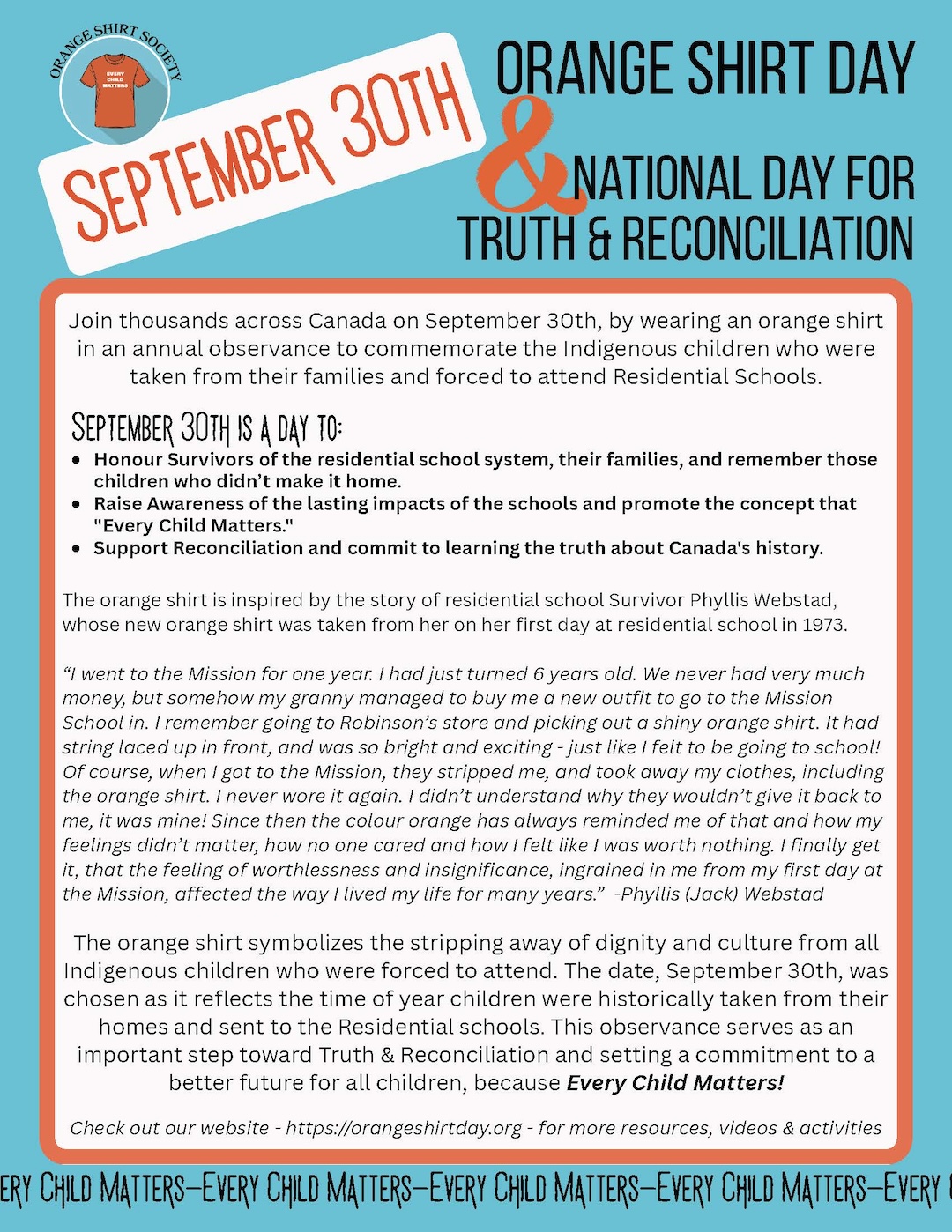
Canada’s Orange Shirt Day – National Day for Truth & Reconciliation is observed every year on September 30 in Canada to honour Indigenous children who were taken to residential schools, inspired by Phyllis Webstad’s story of having her new orange shirt taken on her first day at St. Joseph’s Mission.
What Orange Shirt Day Represents
- A National Day of Remembrance acknowledging the harms of the residential school system and its lasting intergenerational impacts. Wikipedia
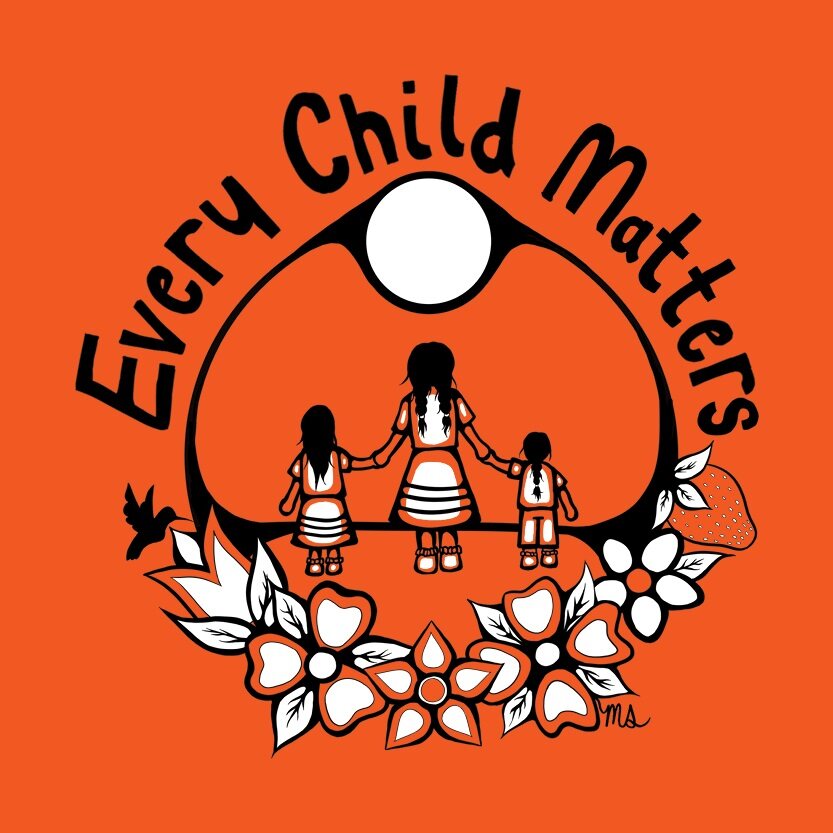
- Symbolizes the message “Every Child Matters,” emphasizing dignity, healing, and truth.
- Originates from Phyllis Webstad’s personal experience, where her orange shirt was taken and never returned, becoming a symbol of cultural loss and forced assimilation.
Historical Context
- Residential schools operated from the 1830s to 1990s, forcibly removing approximately 150,000 Indigenous children from their families. The Canadian Encyclopedia
- Many children suffered abuse, cultural erasure, and thousands never returned home. The Canadian Encyclopedia
- The Truth and Reconciliation Commission (2008–2015) documented these harms and called for national recognition. Wikipedia
How It Is Observed
- Wearing an orange shirt on September 30 to show solidarity and remembrance.
- Schools, workplaces, and communities hold educational events, ceremonies, and discussions about residential school history.
- Many organizations sell orange shirts to support Indigenous-led programs and survivor initiatives. squamishchief.com
Recent Developments
- Controversial misuse of Orange Shirt Day imagery has sparked national discussion about respect, denialism, and the need for protective legislation. Yahoo+1
- Indigenous artists and Nations continue to create new designs each year to honour survivors and support community programs. delta-optimist.com
Orange Shirt Day remains a central part of Canada’s ongoing journey toward truth, healing, and reconciliation.